About us
"FIDES ANTE BELLUM" - Trust Before Battle.
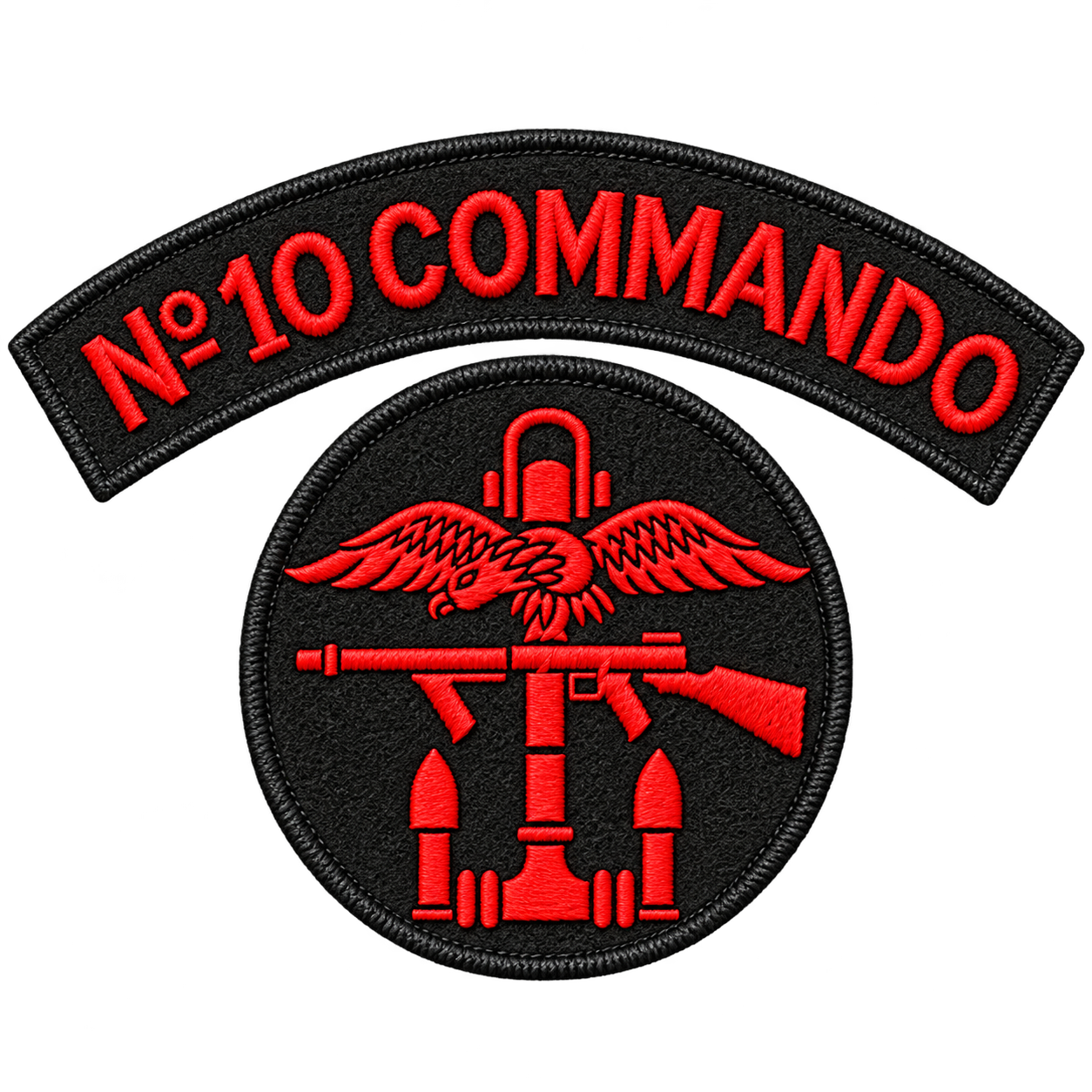
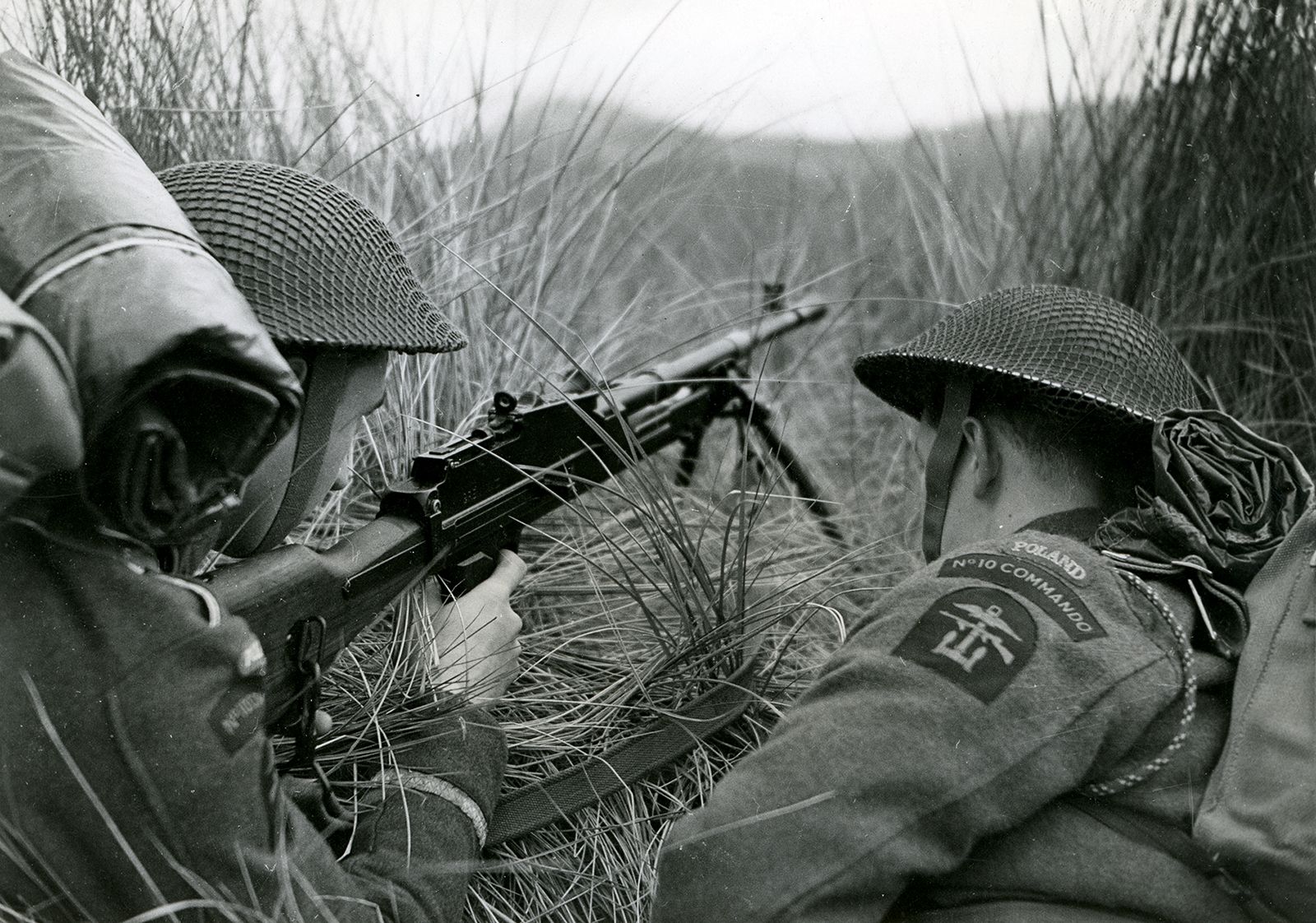
Among the British Commandos raised during the Second World War, few formations represented the Allied cause as completely as No. 10 (Inter-Allied) Commando.
Its soldiers did not come from one regiment, one country or even one language. They came from across occupied Europe. Frenchmen, Dutchmen, Belgians, Norwegians, Poles and Yugoslavs served within its ranks alongside refugees from Germany, Austria and other European countries. Many had escaped nations already occupied by the Axis. Others had been forced into exile by political or racial persecution.
For many members of No. 10 Commando, therefore, the war was more than a military campaign – It was a fight to return home.
Rather than removing their national identities, the British Commando system brought these men together and organised them into individual national troops.
Each retained its own character, language and heritage while operating as part of one Commando. No. 10 consequently became one of the most international fighting formations serving under British command during the Second World War.
The original No. 10 Commando had originally been raised during the first expansion of the British Commandos in 1940. That original formation was short-lived.
Like several early Commando units, it struggled to obtain sufficient volunteers and soon disappeared from the Commando establishment.
The number was revived during 1942, but with an entirely new purpose. Britain now contained thousands of servicemen and refugees from countries overrun by Germany.
Many desperately wanted the opportunity to fight. The answer was the creation of an Inter-Allied Commando. This new formation would gather selected volunteers from the occupied nations and train them according to British Commando methods.
On 26 June 1942, the War Office formally approved the establishment of a Headquarters Troop for the new unit. No. 10 (Inter-Allied) Commando had taken shape.